Someone told me yesterday they like to wing their recipes, which is cool, to each their own. Especially if it works. They were a little surprised though when I told them I prefer not to use measuring spoons for my bbq, but I prefer actually weighing my spices, etc because it’s much more precise
2 Likes
Yes, certain recipes you can wing. But I’m a big believer in weight measurements for many recipes. It’s the only way to be consistent. As with most things, the devil is in the fine details.
2 Likes
Probably a dash of chlorine or some other anti-microbial agent(s), so it’s still potable by the time it’s run through all the pipes to get to your faucet.
1 Like
Likely, but something has definitely changed. My yeast used to work with tap water. Maybe they increased the chlorine level? I just learned refrigerator filters can reduced chlorine by up to 90%.
Chlorine and chloramine in tap water can negatively impact bread yeast
. While mild amounts may only slightly slow the rise, high concentrations can stall fermentation, kill wild yeast and bacteria in sourdough starters, and impart an unpleasant chemical taste to the final baked loaf.
1 Like
Go to your local, all those are ass.
This is anecdotal, but I’ve noticed the smell and taste of tap water isn’t consistent. Sometimes it has more of a tang than other times. It might depend on how much the “source water” – be it from a river or an aquifer – needs to be treated. Especially if it’s sitting in a reservoir or an elaborate cistern system first.
(As has been demonstrated before, even water kept in purification jugs will still need to be treated – albeit not with chlorine – to turn into the “living water” that undoubtedly makes for the best bread.)
1 Like
So I did a little research and apparently it takes 50 to 100 ppm of chlorine to stop or inhibit the reaction of bread yeast. According to the local city water department, they have a range of 1.4 to 1.77 ppm of chlorine.
The website stated their water comes from underground wells and a city reservoir.
1 Like
Hard water can also contain higher levels of dissolved minerals like calcium and magnesium, making the water more alkaline. Such impurities can also be removed by filtration systems.
(Just like separating the wheat from the chaff.)
2 Likes
All good info Jane.
The city does have a pH range of 7.4 to 7.8. So slightly alkaline but probably short of being rated as hard water.
1 Like
It might be that it’s not a single condition, but a multitude in concert that inhibit the yeast.
We also need to keep in mind that just because the city strives to maintain certain ranges doesn’t mean it always succeeds, let alone that it will admit when it fails. To be sure, you’ll need to test the water yourself.
Which you already have, in a way – you’ve tested it with yeast. That’s the proof in your pudding, now it’s just a matter of finding which ingredients are letting you down.
2 Likes
When it comes to “style” of pizza, Detroit style is definitely a standout. We are biased, but studies have been done with people from other countries who haven’t had pizza. Detroit style consistently ranks at/near the top.
I watched “The Food that Built America" and they explained the origin story behind the pan pizza. Pizza Hut was never trying to be an authentic italian style pizza. That worked in many places around the country, because a typical American had no reference point to italian pizza. They had issues gaining traction in the northeast in areas with a high concentration of italians. The company was faced with a decision. They could create an authentic italian style pizza…or they could create something that was SO different than an italian style pizza that a comparison would be silly. They decided on Option #2, and the pan pizza was the result.
I still like the bread sticks. The “bacon" is not edible. If I order a meat lovers tell them not to put the “bacon" on it. Its nothing but fat cut from real bacon, and there is no other way to view it IMO.
Yesterday my wife and I went to a place called Toni’s Detroit Style Pizza in Charleston, South Carolina. It was definitely good and a very Michigan-centric atmosphere. The first thing you notice is a Detroit Lions #91 jersey hanging from the rafters. They even serve Faygo and Vernors. The owner worked at Buddy’s.
5 Likes
I’ll put them on the list!
3 Likes
.
I heard Monica had the same bumper sticker back in the 90’s….
My dorm room was down the street from here when the impeachment trial was going on. Craziest paparazzi scene that I’ve ever seen.
1 Like
So I made pizza the other day with fridge filtered water and I still wasn’t thrilled with the results. So I re-ran my yeast test (water tempered to 105°F) and included the Kroger branded bottled / filtered water. Here are the results…
Top photo - tapwater
Middle photo - filtered tap
Bottom - Kroger water
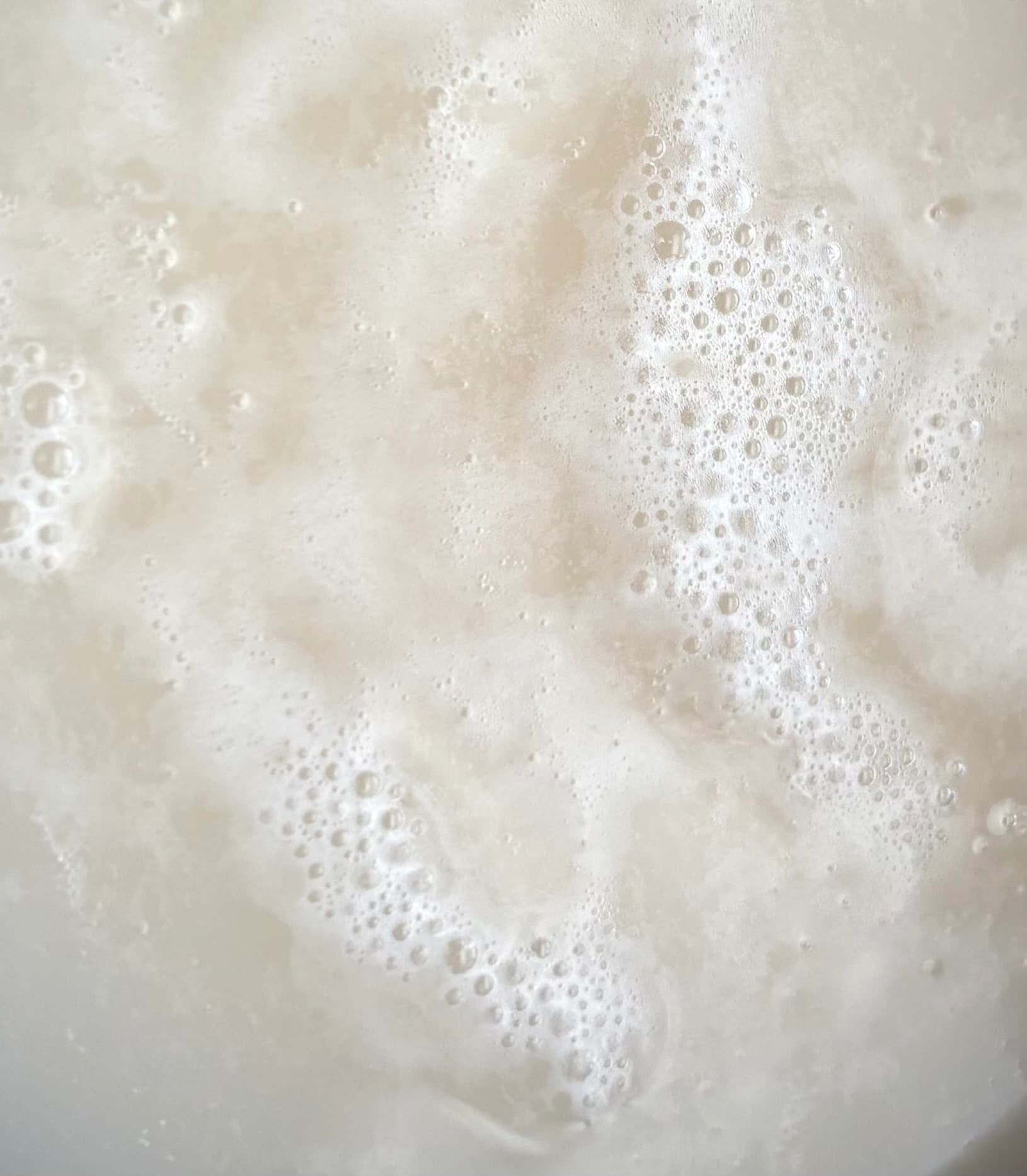
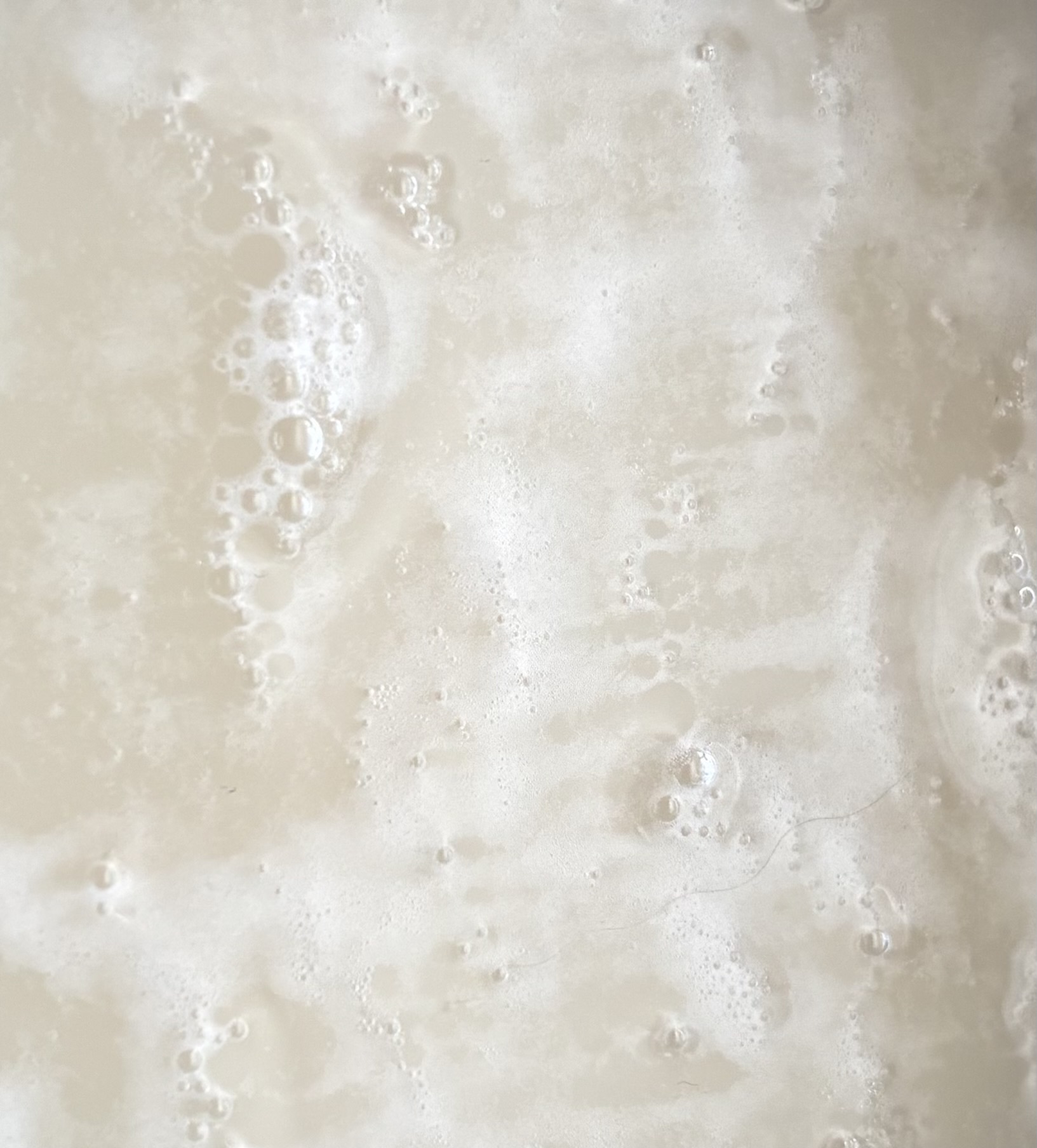
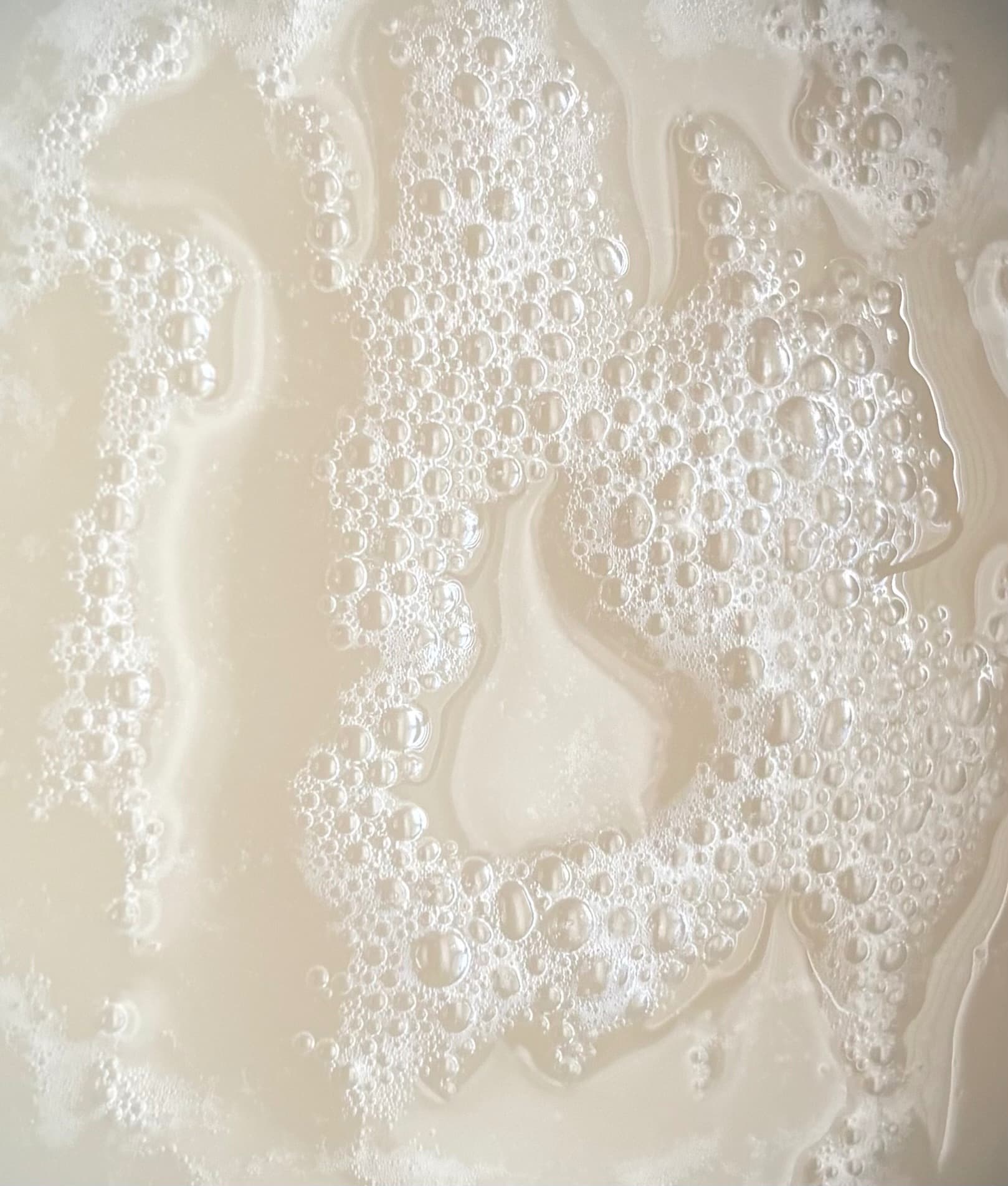
Surprisingly, I did get some bubbles this time out of the regular tapwater, which didn’t occur last time. Not sure why. So you can see the Kroger water actually did the best. More bubbles and larger bubbles than the other two. I’m going to make dough again today and see how it does.
Is it possible you’re dealing with chloramine rather than chorine? Standard water filters (Brita, etc…) remove the latter but not the former. A pinch of ascorbic acid will do the trick, but that is a dicey game. Used incorrectly and it is more likely to ruin the bread than the chloramine, and it’s not easy to use correctly.
1 Like
I guess at this point anything is possible. I’m just at the beginning stages of trying to figure out why my local water is ■■■■■■■ up my pizza dough.
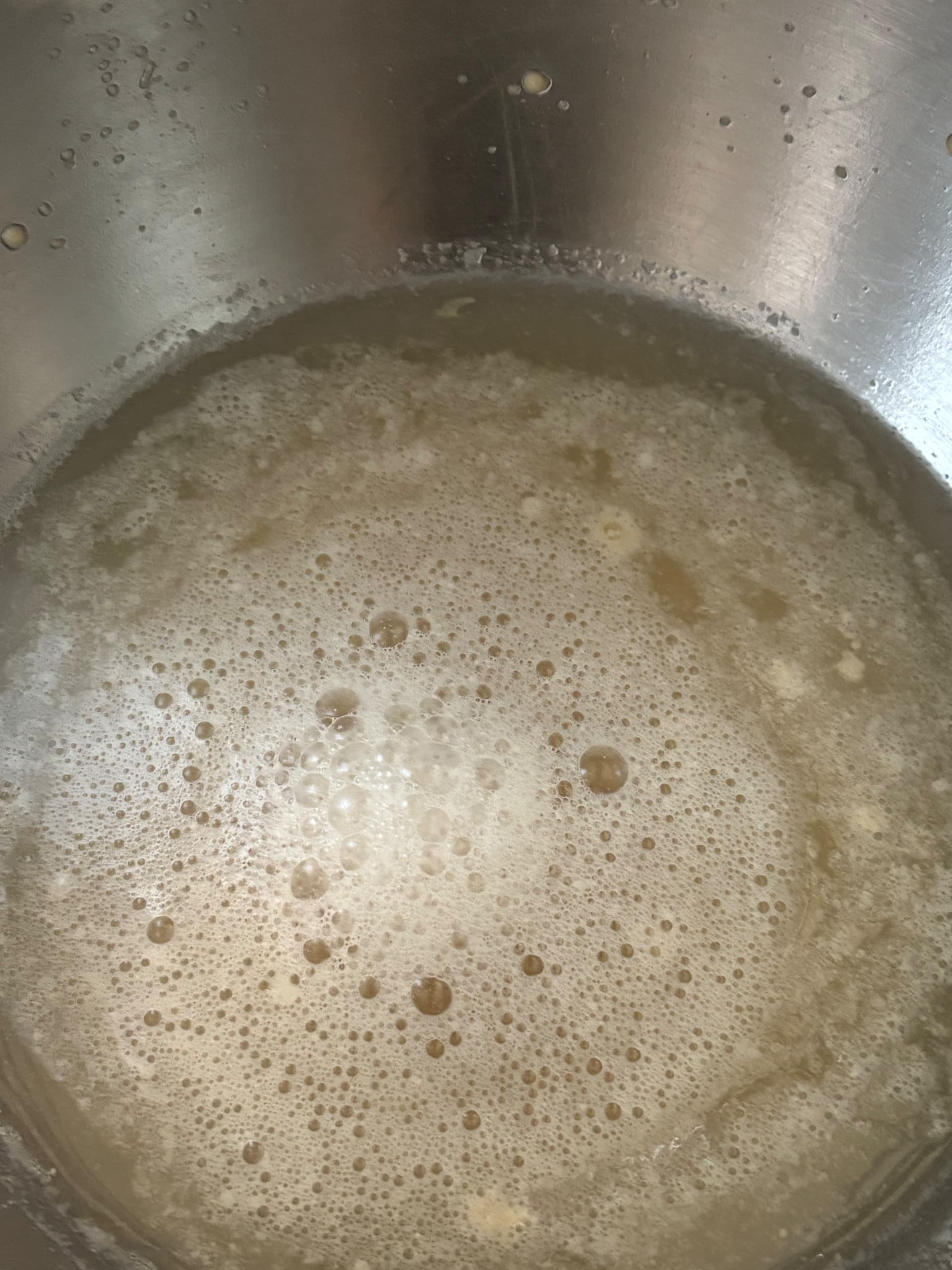
Here’s the start of my pizza water after two minutes with sugar added using the Kroger bottled water. Comparatively pretty. impressive.
1 Like